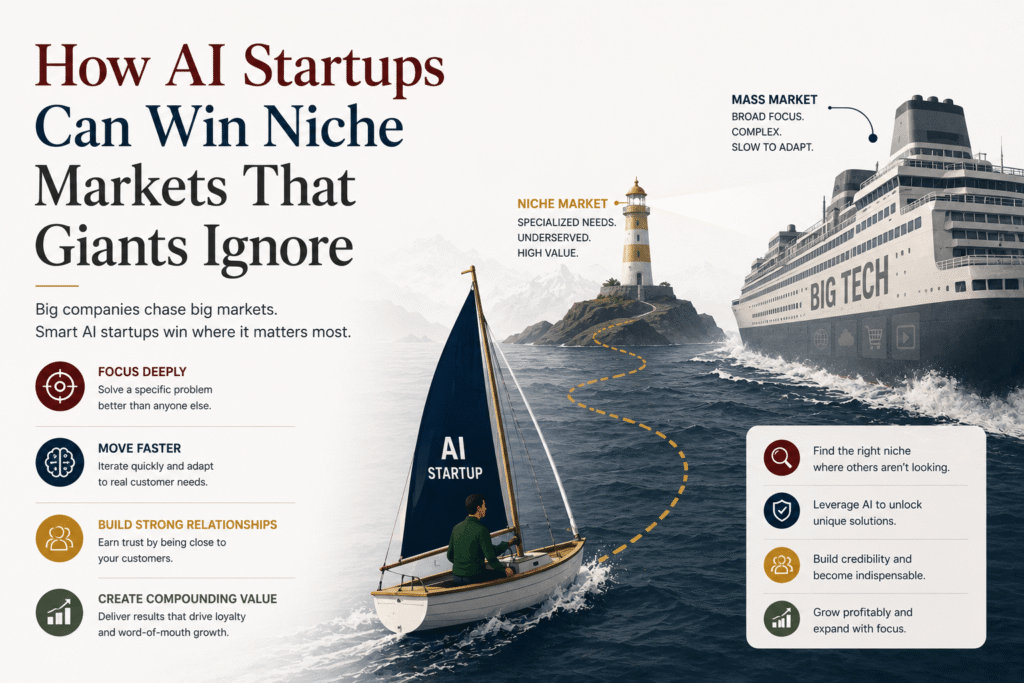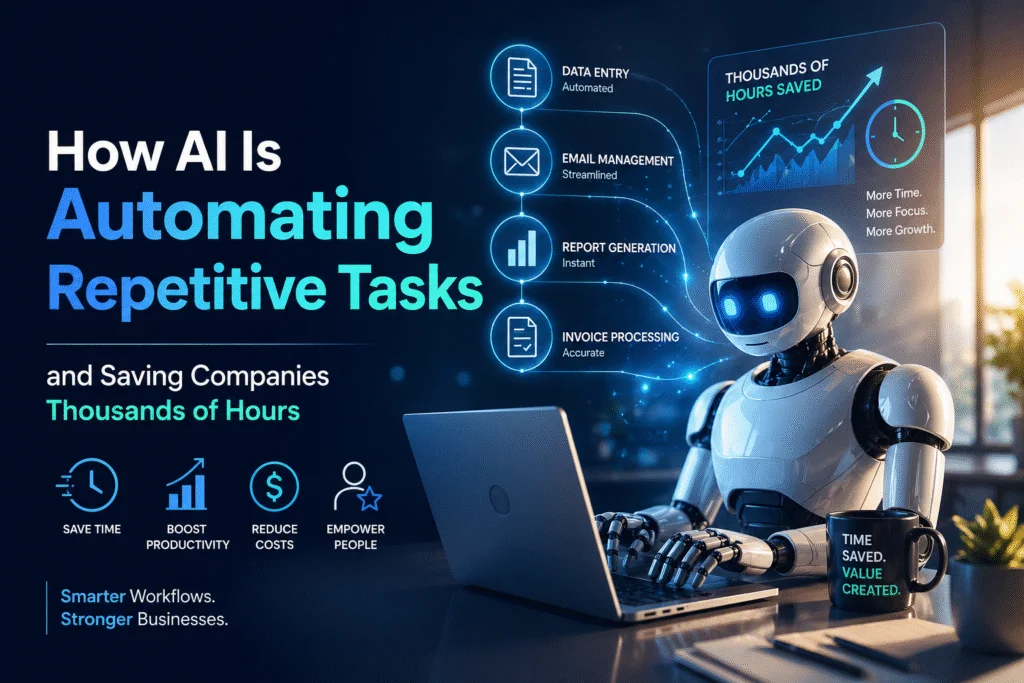
There is a quiet shift unfolding inside modern businesses. It arrives not with noise, but with relief. It shows up in the absence of cluttered inboxes, in the disappearance of manual spreadsheets, and in the sudden lightness of a workday that once felt endlessly repetitive.
Artificial Intelligence has stepped into the rhythm of work not as a human replacement, but as a silent collaborator. It absorbs the mundane, refines routine processes, and returns time to where it truly belongs.
The Workplace Metamorhosis
| The Legacy Workplace | The AI-Enabled Future |
| Hours dissolved into manual entry | Instant background execution |
| Fragmented focus and fatigue | Deep, uninterrupted strategic flow |
| Reactive, process-bound workers | Proactive, insight-driven teams |
| Static campaigns and slow queues | Dynamic, real-time adaptability |
The Invisible Weight of Legacy Systems
For decades, companies built their foundation on systems that demanded human attention for even the smallest actions. Staff checked every form, entered every number, and compiled every report.
Individually, these tasks seemed harmless. Collectively, they formed a quiet drain, hours dissolving into processes that offered little creative or strategic value. Businesses rarely questioned this burden because repetition felt normal.
AI shifts that assumption entirely.
Today, intelligent systems handle what once required constant manual oversight. They learn complex patterns, recognize user intent, and execute with precision:
- Instant Customer Routing: Queries no longer sit in static queues. AI categorizes customer intent instantly and routes issues alongside complete contextual history.
- Real-Time Financial Structuring: Financial data no longer sits in scattered spreadsheets waiting for cleanup. Systems structure and verify data in real time.
- Dynamic Marketing Systems: Campaigns evolve continuously, tuning themselves against real-time market signals.
From Motion to Thought: Elevating Human Capability
The real power of automation is not dramatic in appearance, but it is profound in impact. Workflows move differently, bottlenecks loosen, and delays shrink.
When organizations automate repetitive tasks, employees break free from the mechanics of routine work. They operate at a level that demands genuine thought rather than basic motion.
Elevating Work From Motion To Thought
| Traditional Manual Focus | Elevated Strategic Focus |
| Compiling endless static reports | Interpreting data trends & strategy |
| Managing back-and-forth emails | Building deep client relationships |
| Reacting to rigid workflows | Shaping agile, forward-looking systems |
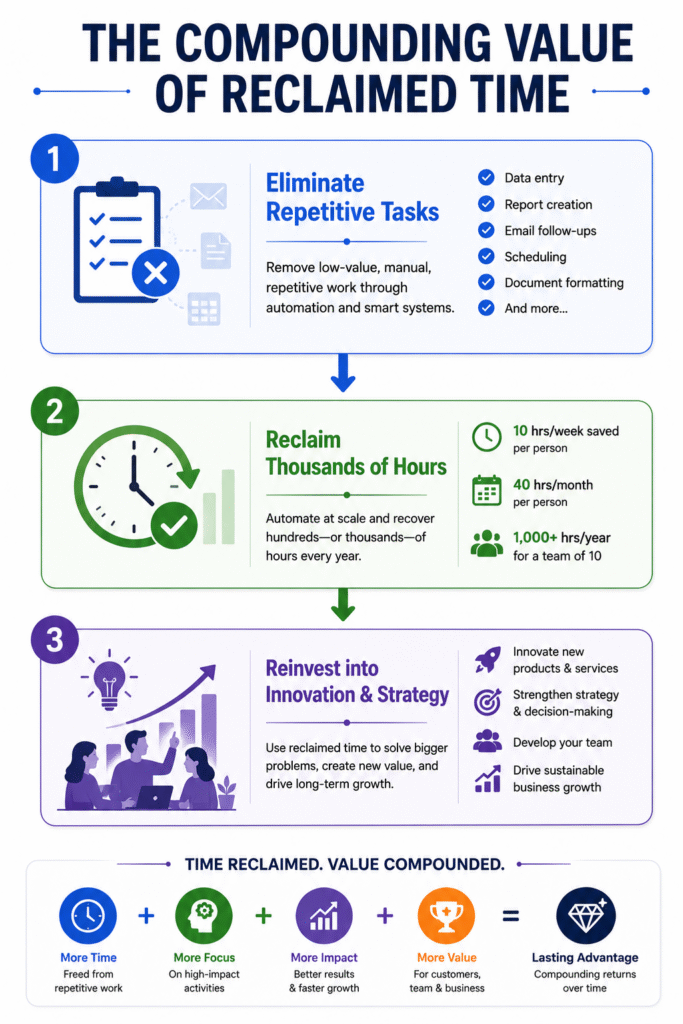
The Compound Effect of Reclaimed Time
Time becomes fluid. A task that once consumed an entire afternoon now takes minutes. A complex workflow requiring multi-person coordination runs smoothly in the background.
These micro-efficiencies compound quietly over months into thousands of hours reclaimed.
Precision, Trust, and Cultural Engagement
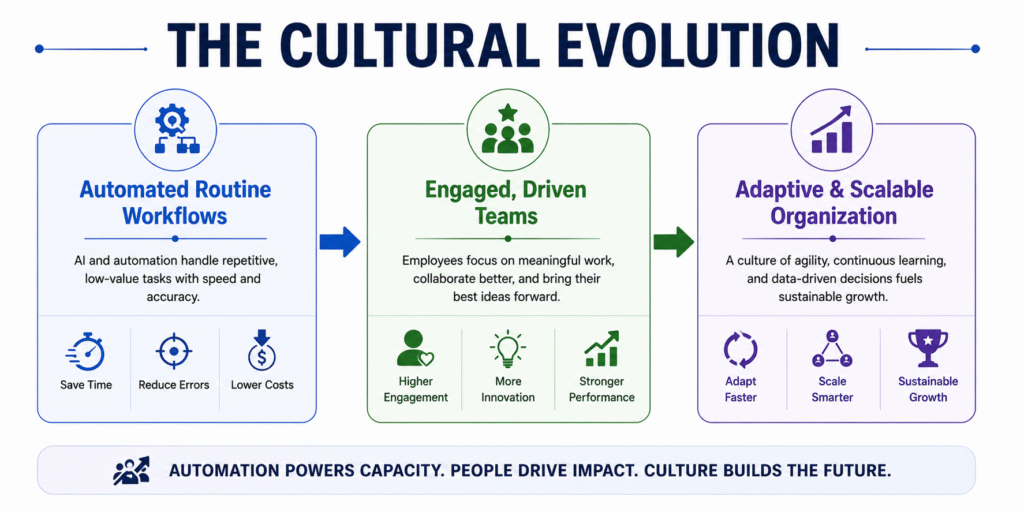
Repetitive manual tasks inevitably suffer from human fatigue. Even the most diligent employee makes small errors when performing identical actions for hours. AI removes that variability, executing with total consistency to ensure data remains clean and reliable.
The Dual Imapact Of Automation
| Operational Reliability | Cultural Revitalization |
| Zero fatigue-induced data errors | Reconnection with meaningful work |
| Consistent, predictable outputs | Shift from task-completion to ideas |
| Dependable operational data | Higher employee presence and retention |
Reconnecting People with Purpose
When routine defines job roles, employee motivation fades. By removing monotony, AI allows teams to reconnect with meaningful work. They transition from merely completing tasks to driving genuine business outcomes.
Leveling the Field: Scaling Output Without Scaling Overhead
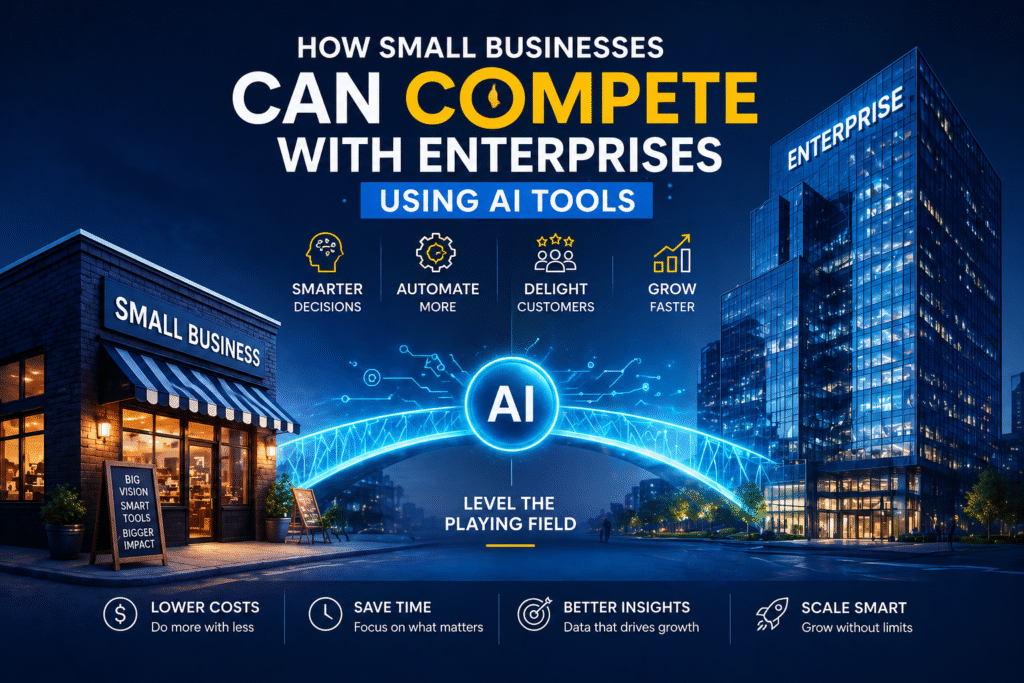
Smaller companies, once constrained by resources, can now operate with the efficiency of global enterprises. AI tools allow small teams to scale output without linearly scaling effort or payroll.
Implementing AI with Intention
This operational shift requires deliberate strategy rather than blind adoption:
- Pinpoint True Inefficiencies: Identify which processes are genuinely repetitive and drain employee energy.
- Integrate Seamlessly: Embed AI tools into existing workflows without disrupting human collaboration.
- Automate the Mundane: Reserve automation for tasks that should never have required human intelligence in the first place.
Final Thoughts: The Freedom to Use Time Well
Progress is not about adding more noise; it is about removing what no longer serves the organization. AI acts as a filter that strips away the unnecessary, leaving behind room for human insight, connection, and strategy.
In saving time, AI does not just improve productivity, it redefines how people experience time within an organization. It converts daily work from a series of repetitive actions into a landscape of thoughtful contribution, giving companies back the freedom to use their time well.
Frequently Asked Questions
How does AI adoption improve workplace culture?
AI removes monotonous administrative tasks, allowing employees to focus on creative problem-solving, strategic growth, and meaningful human connection.
Does implementing AI mean replacing employees?
No. AI acts as a strategic partner that takes over predictable mechanics, allowing human talent to contribute genuine insight, intuition, and oversight.
How can small businesses benefit from AI automation?
AI enables small teams to manage enterprise-level workloads, optimize campaigns in real time, and deliver personalized customer service without expanding headcount.