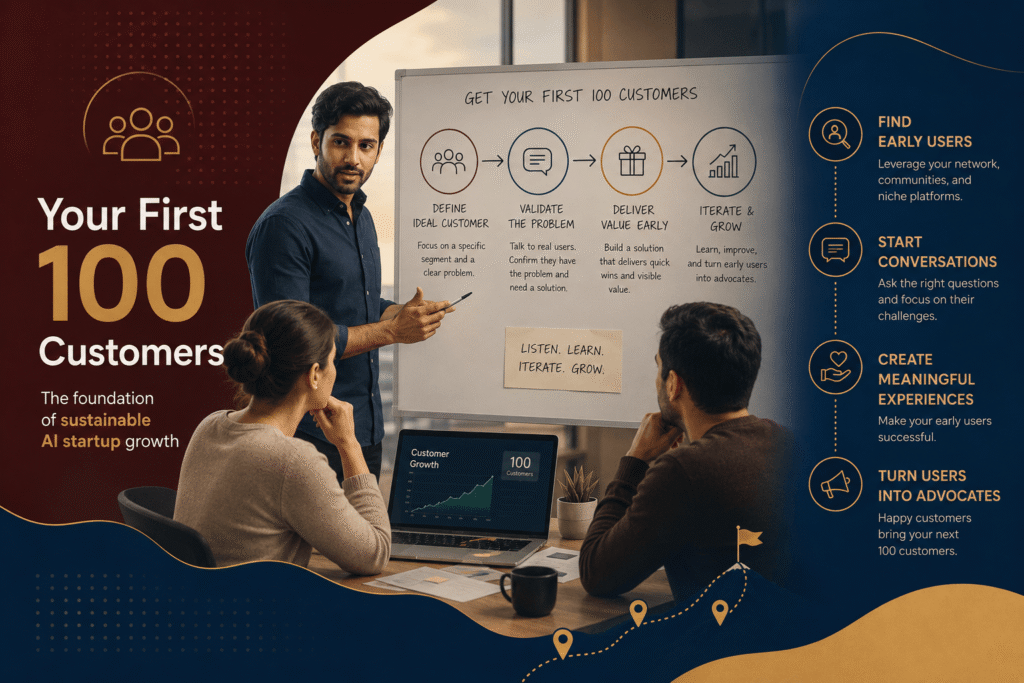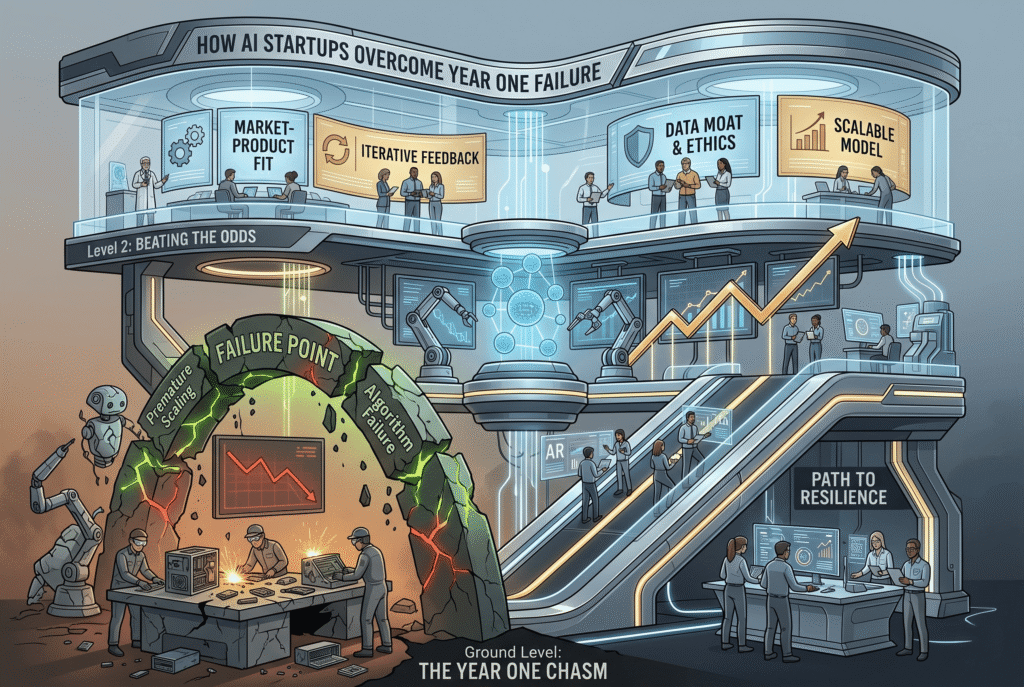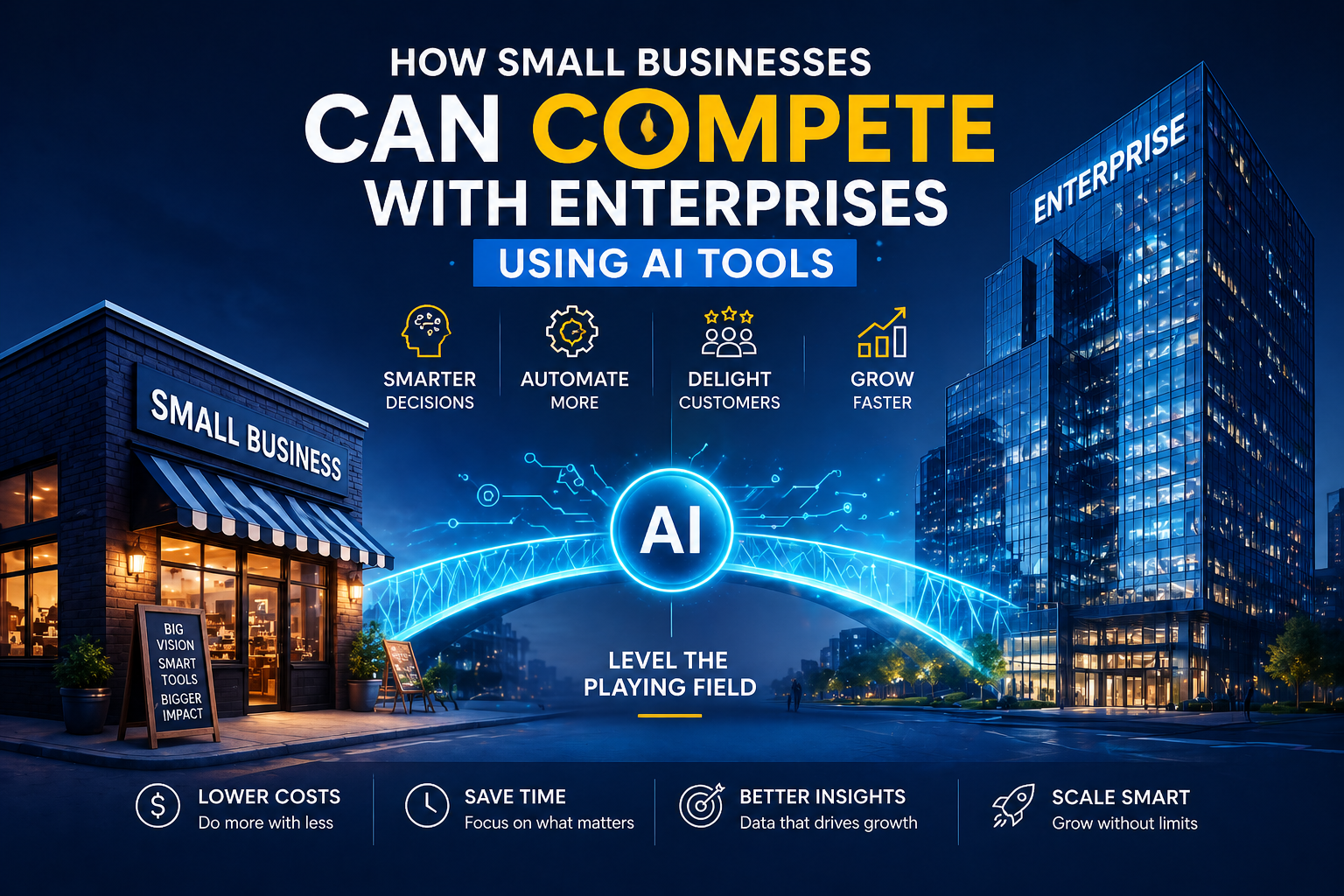
There was a time when scale decided everything. The biggest budgets won. The largest teams moved faster. Companies with the deepest pockets built the tallest walls, while smaller businesses survived in their shadows, nimble and creative, but severely constrained. Competing with global enterprises felt like running a race where the finish line kept moving further away.
The Paradigm Shift: Scale vs. Intelligence
| Traditional Enterprise | AI-Powered Small Biz |
| Massive headcount & bureaucracy | Lean team with automated background |
| High overhead and slow approvals | Rapid execution and real-time pivots |
| Massive capital required for output | High leverage using AI platforms |
| Generic mass-market campaigns | Hyper-personalized customer touch |
However, a dramatic shift is happening across industries. The traditional advantage of physical size is beginning to melt away thanks to Artificial Intelligence.
AI does not level the playing field by making small businesses larger. Instead, it makes them vastly more intelligent. In the 21st century, operational intelligence scales far better than raw capital. Small businesses no longer face resource constraints; they operate with stealth-like efficiency while smart software manages backend tasks.

1. Intelligence Over Resources: The New Competitive Playing Field
Marketing, customer service, operations, and advanced analytics are no longer exclusive to giant corporations. Today, intelligent business tools are affordable, flexible, and automated.
Large organizations rely on complex checks, balances, and layers of management. While this structure offers stability, it often makes decision-making slow and cumbersome. Conversely, small enterprises have always been fast, but they previously lacked the data required to make sound decisions.
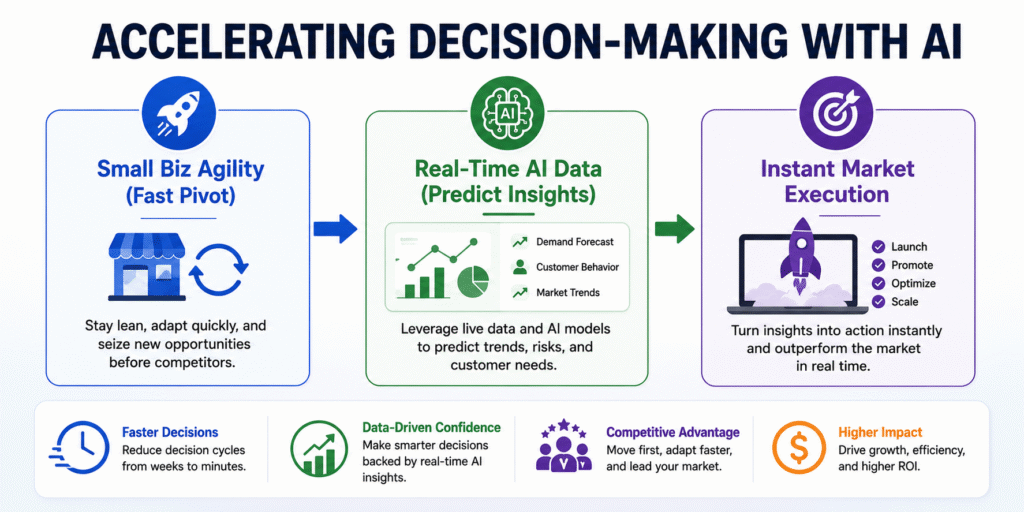
AI bridges this gap completely. Now, a small team can access enterprise-grade analytics in real time. Business owners can observe customer behavior live and accurately predict future market trends.
2. Execution Without the Headcount Barrier
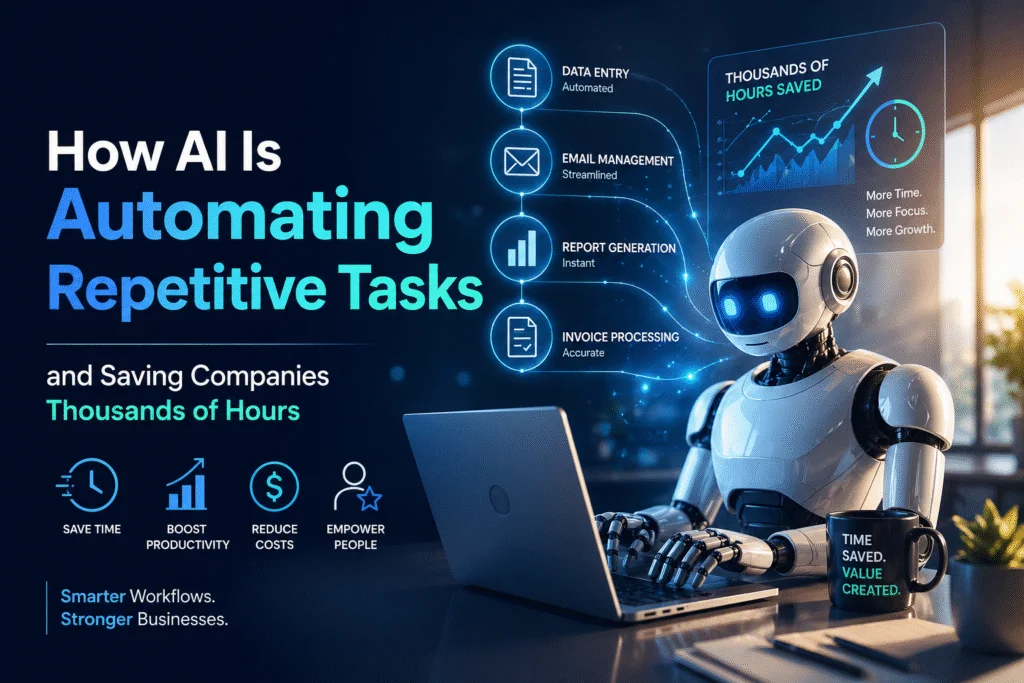
Historically, scaling execution required hiring more employees. Growth inevitably meant increased complexity, higher overhead, and lost time. AI completely changes that growth equation.
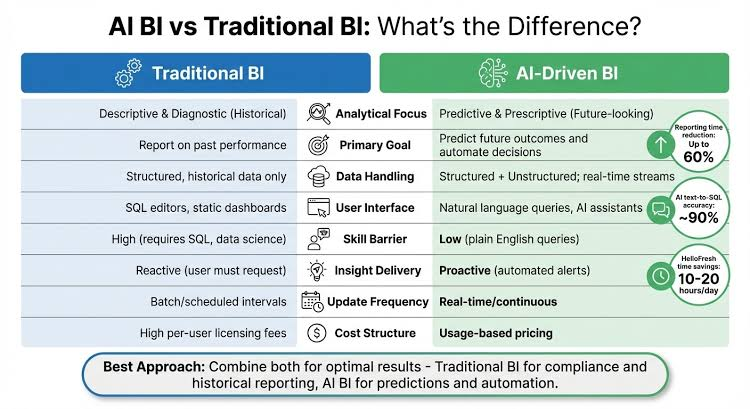
From Reactive Tasks to Strategic Focus
Entrepreneurs who once acted as jacks-of-all-trades now have smart technology supporting every department. This shift offers true freedom to focus on core business drivers:
- Building authentic customer relationships
- Refining core product offerings
- Exploring innovative growth channels
- Proactively shaping strategy rather than reacting to fires
3. Deep Personalization at Scale
Small businesses possess an inherent advantage that large enterprises struggle to maintain: authenticity. While big corporations use massive ad budgets to broadcast messages, small brands can leverage AI to connect with customers individually.
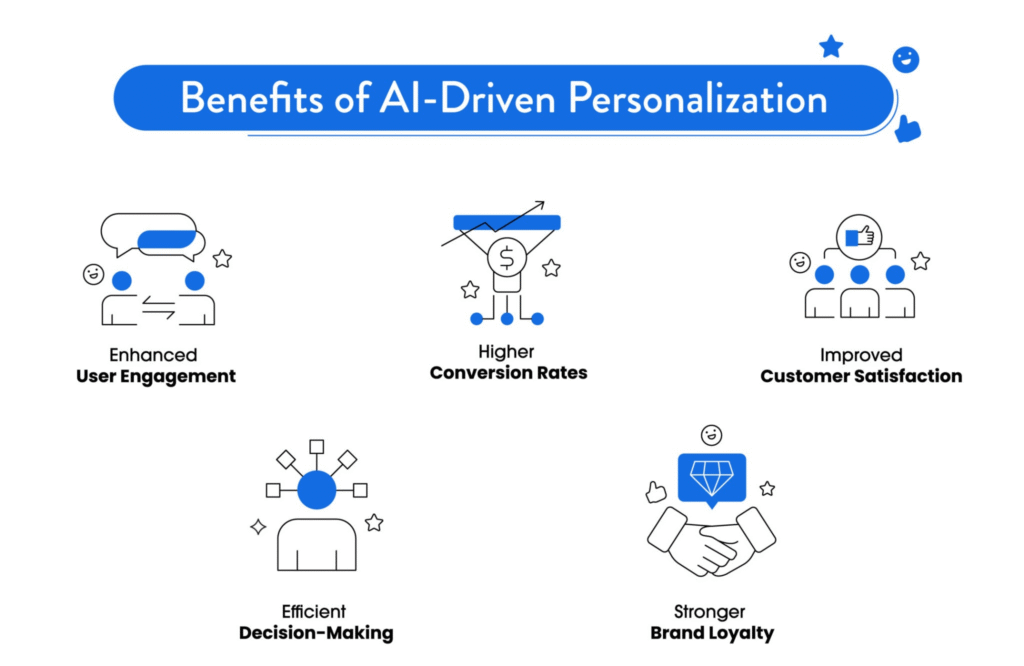
Building Loyalty Through Personalization
By analyzing customer needs and preferences, AI helps brands personalize every message:
- Timely Delivery: Messages land precisely when the customer needs them.
- Relevant Context: Content reflects individual preferences rather than generic blasts.
- Long-Term Loyalty: Direct personal connections foster trust that mass advertising cannot replicate.
4. Expanding Creative Capabilities
Until recently, high-quality creative work in branding, media, and marketing required significant time and expensive agency budgets. Small businesses had to restrict their creative ambitions due to financial limits.
The Creative Velocity Cycle
| Traditional Model | AI-Assisted Model |
| Weeks to draft and approve concepts | Hours to generate and refine assets |
| High financial risk per campaign | Rapid low-cost experimentation |
| Static, limited creative variations | Dynamic variations tailored to niche |
Unlocking Rapid Experimentation
AI empowers small teams to draft, edit, and launch content within hours rather than weeks. This speed does not reduce creativity; it expands it. Teams can experiment continuously without risking heavy financial losses. In modern digital markets, speed and innovation matter as much as enterprise scale.
5. Thinking Big Without Adding Bureaucracy
AI allows small businesses to operate with a global mindset. A tiny team can run an international enterprise and deliver customer experiences on par with market leaders.
Strategic Integration Over Hype
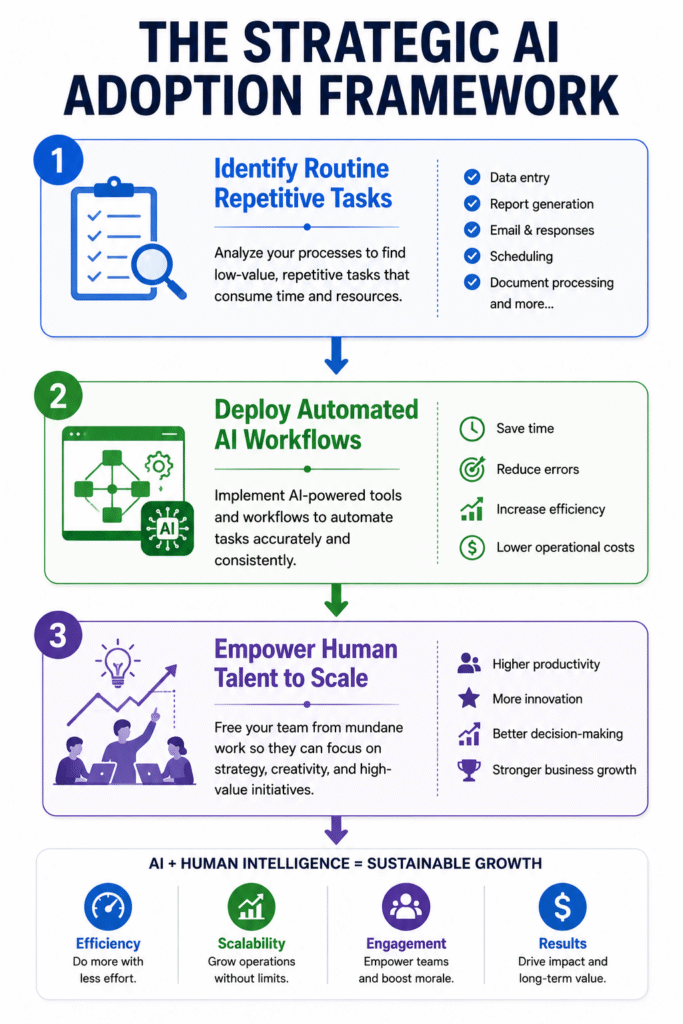
Adopting AI does not mean using technology for its own sake. Success requires strategic clarity:
- Identify which operational tasks are routine and repetitive.
- Pinpoint existing bottlenecks across customer workflows.
- Integrate tools that support employees rather than replace them.
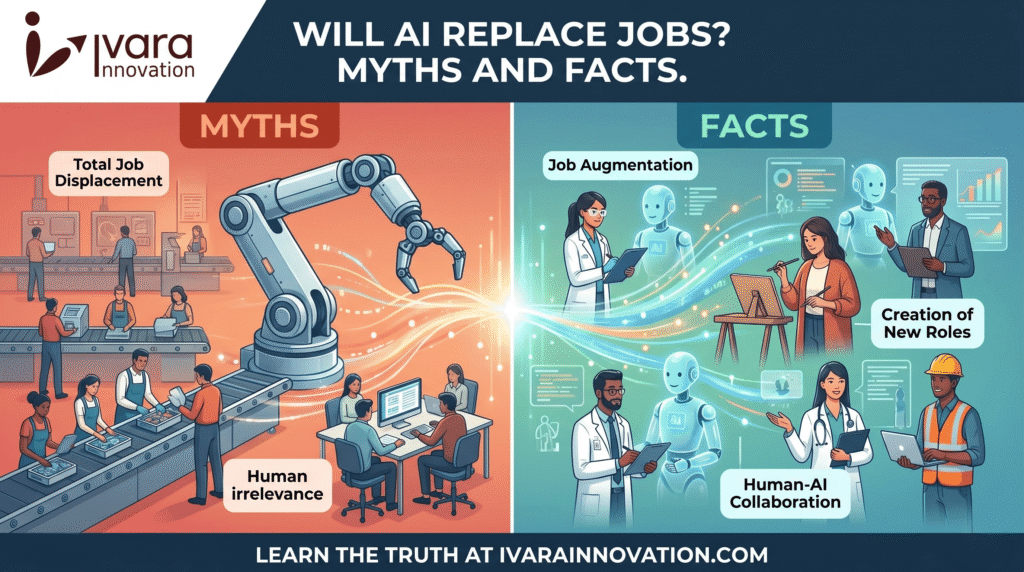
AI aims to empower workers, not eliminate them. When small businesses embrace intelligent automation, they achieve lasting competitive advantages.
Final Thoughts: The Underdog Advantage
The digital narrative has officially changed. The battle is no longer Small vs. Big, it is Dumb vs. Smart, Rigid vs. Adaptive, and Manual vs. Automated.
Market power no longer belongs solely to the largest players. Instead, it belongs to those who leverage technology most effectively. Small businesses, armed with agility, speed, and AI tools, have the ultimate underdog advantage to lead the future.