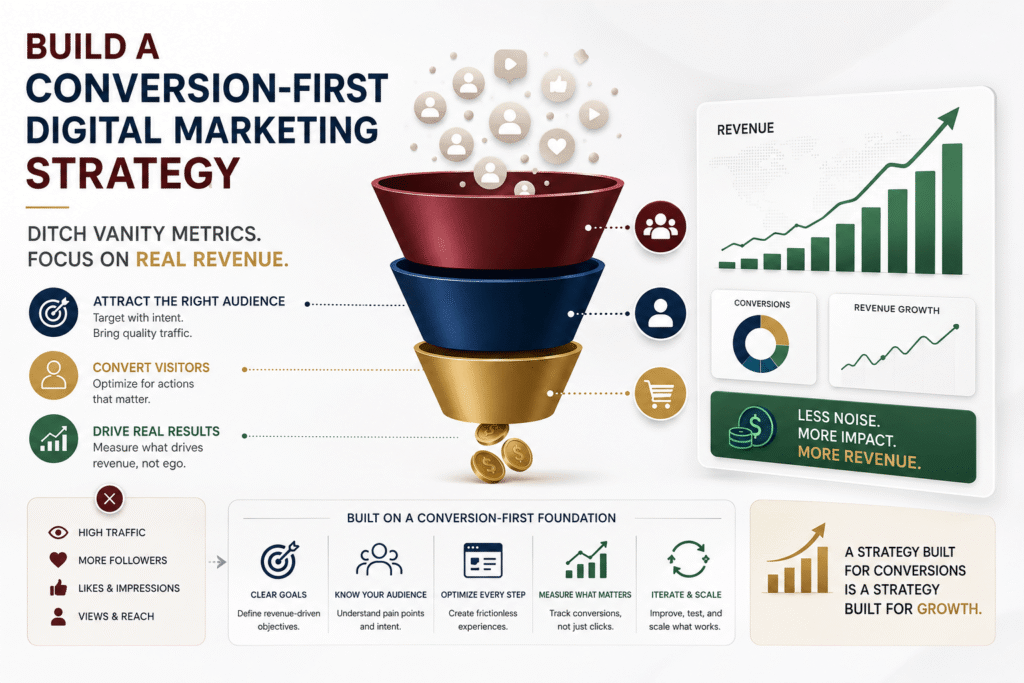
Right now, somewhere in a boardroom, a marketing budget is being slashed based on yesterday’s playbook. A brand is losing ground to a competitor half its size. A strategy that worked brilliantly twelve months ago is quietly bleeding money. The rules of tech and marketing are not just evolving. They are being torn up and rewritten in real time, and the gap between those who know it and those who do not is widening by the week. What follows are ten insights that separate the brands writing the new rules from the ones still playing by the old ones. Read carefully. Your next move might depend on it.
1. AI is Rewriting the Rules of Search Engine Optimisation
Google did not send a warning. It just changed the game. Google’s Search Generative Experience (SGE) and other AI-powered search tools are fundamentally changing how content gets discovered. Conventional keyword-stuffing strategies are rapidly disappearing. What truly counts now is demonstrating genuine expertise, authority, and trustworthiness. Marketers who invest in long-form, well-researched content are seeing stronger visibility in AI-generated search summaries. This is your wake-up call if you haven’t updated your SEO strategy in each year. Focus on answering real questions your audience has, build credible backlinks, and ensure your content delivers value beyond surface-level information.
2. Short-Form Video Continues to Dominate Attention Budgets
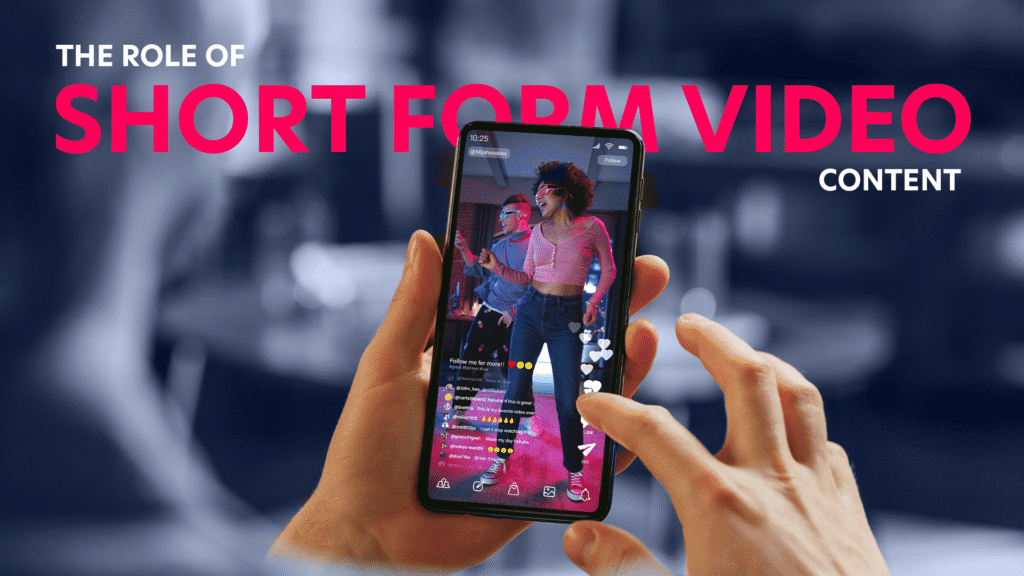
Picture By Marketing Together
Your audience has an eight-second attention span. Are you still making sixty-second ads? TikTok, Instagram Reels, and YouTube Shorts are not a passing trend. Brands that have leaned into short-form video are reporting higher engagement rates than static posts or long-form content.
The key insight from recent platform data is that authenticity outperforms polish. Audiences respond better to genuine, slightly imperfect content over expensive, corporate-feeling productions. Now is a good time to reallocate at least some of your content budget toward short, conversational videos that highlight real people, rather than spending it mostly on lengthy blog posts and high-production photography.
3. First-Party Data is the New Competitive Moat
Brands that have been slow to develop their own data infrastructure are beginning to feel the pressure as third-party cookies disappear and privacy laws become more stringent worldwide. Companies collecting first-party data through email signups, loyalty programs, quizzes, and direct purchases are gaining a significant advantage in personalisation and targeting.
The shift is not just technical. From renting an audience on social media to truly owning relationships with your customers requires a shift in perspective. Start building your email list, create gated content worth exchanging contact details for, and invest in a CRM that can grow with you.
4. Generative AI is Transforming Content Production Workflows
Using AI in your creative process is not cutting corners. Not using it is! From copywriting to image generation to video scripting, AI tools are reshaping how marketing teams operate. Brands are not replacing their creative teams. They are finding ways to use AI to handle repetitive tasks so their people can focus on strategy, storytelling, and quality control. Currently, the most successful marketers view AI as a junior partner rather than a miracle cure. They use it to expedite drafts and ideation, feed it comprehensive briefs, and rigorously edit its outputs. If your team is not experimenting with tools like Claude, ChatGPT, Midjourney, or Runway, your competitors almost certainly are.
5. Community-Led Growth is Getting Serious Attention from Brands
Across most digital channels, paid acquisition costs have increased dramatically. As a result, more companies are using community development as a long-term growth lever. Discord servers, niche newsletters, private Slack groups, and LinkedIn communities are all seeing renewed investment from companies that previously relied almost entirely on paid ads. The brands doing this well are not just creating spaces for self-promotion.
They are treating community members as true stakeholders, hosting genuine conversations, and imparting exclusive insight. The payoff takes longer, but the loyalty it generates is far harder for competitors to replicate.
6. Personalisation at Scale is Finally Becoming Achievable
For years, one-to-one marketing personalisation was a goal most companies talked about but could not realistically deliver. That gap is being closed by enhanced marketing automation platforms and machine learning. Brands can now deliver tailored email sequences, dynamic landing pages, and product recommendations that adjust to individual behaviour without requiring a massive team to manage them.
Entry barriers have decreased. Mid-market businesses can now use tools that previously required big companies’ budgets. It is worthwhile to investigate how modern segmentation and automation can improve your conversion rates if you are still sending the same email to every member of your list, regardless of where they are in their journey.
7. Sustainability Messaging Requires More Than Good Intentions
Consumers, particularly younger demographics, are paying closer attention to how brands talk about sustainability. The criticism of performative green messaging and vague claims is growing. Brands that are transparent about their challenges, not just their wins, earn more trust than those that present a polished but shallow environmental story.
Regulators in the European Union and several other markets are also tightening rules around environmental claims in advertising. If your brand makes sustainability part of its identity, make sure the claims you are making are specific, verifiable, and backed by real operational changes rather than marketing language.
8. The Creator Economy is Maturing and Getting More Selective
Influencer marketing has evolved considerably from its early days of follower counts and sponsored posts. Long-term creator partnerships are now more important to brands than one-time campaigns, and they are focusing more on engagement quality than raw reach. Micro and nano creators with highly engaged niche audiences consistently outperform mega-influencers in conversion rates across most product categories.
Additionally, creators are becoming pickier about brand partnerships; as a result, businesses that provide creative freedom, fair compensation, and true alignment with the creator’s values are getting better deals and creating more impactful content.
9. Voice Search and Conversational Interfaces Are Gaining Ground
Picture by Bacancy
Smart speakers, in-car voice assistants, and voice features built into mobile apps are quietly reshaping how a growing segment of consumers finds information and makes purchases. Compared to traditional SEO, voice search optimisation calls for a different strategy. Queries tend to be longer, more conversational, and often framed as questions. Structuring content around direct, clearly written answers to common questions puts you in a much stronger position for voice-driven discovery.
Since more customers are beginning their searches through chat interfaces rather than traditional search engines, it is also important to observe how AI chatbots are affecting discovery behaviour.
10.Cross-Channel Attribution Is Still One of Marketing’s Hardest Problems
Despite advances in analytics tools, accurately attributing credit across a multi-touch customer journey remains genuinely difficult. The majority of brands continue to use last-click attribution models, which significantly overvalue some touchpoints while neglecting the contribution of community, organic content, and brand awareness to the final conversion.
By dedicating time to analysing the true customer journey, leveraging first-party data, conducting customer surveys, and implementing multi-touch attribution models, brands gain a significantly clearer insight into optimal budget allocation. Those who master this approach make more intelligent investment choices and are much less likely to prematurely eliminate channels that are effectively contributing in subtle ways, even when those contributions aren’t obvious in standard reports.
The Next Move Belongs to You! Partner with Ivara Innovation.
Here is the thing about insights. They only have value if someone acts on them. You can read every trend report, follow every marketing thought leader, and consume every weekly roundup on the internet, and still find yourself stuck in the same place twelve months from now. Knowledge without direction is just noise with a better vocabulary.
At Ivara Innovation, we bridge that gap. We take what is happening in tech and marketing right now and translate it into a practical, purposeful strategy for businesses that are serious about growing. Whether you are trying to rethink your digital presence, integrate AI into your workflow, build a content engine that actually converts, or simply figure out where to focus first, we are the team that brings the map when everyone else is still guessing at the destination.
The brands that will own their categories in the next three years are making their moves right now. Make yours with us. Reach out to Ivara Innovation and let us start the conversation that changes the trajectory.