Imagine a business that knows you well. As a result, it solves your problems before they actually happen. This isn’t a dream. Today, it is the reality of digital marketing in the age of the Internet of Things (IoT).
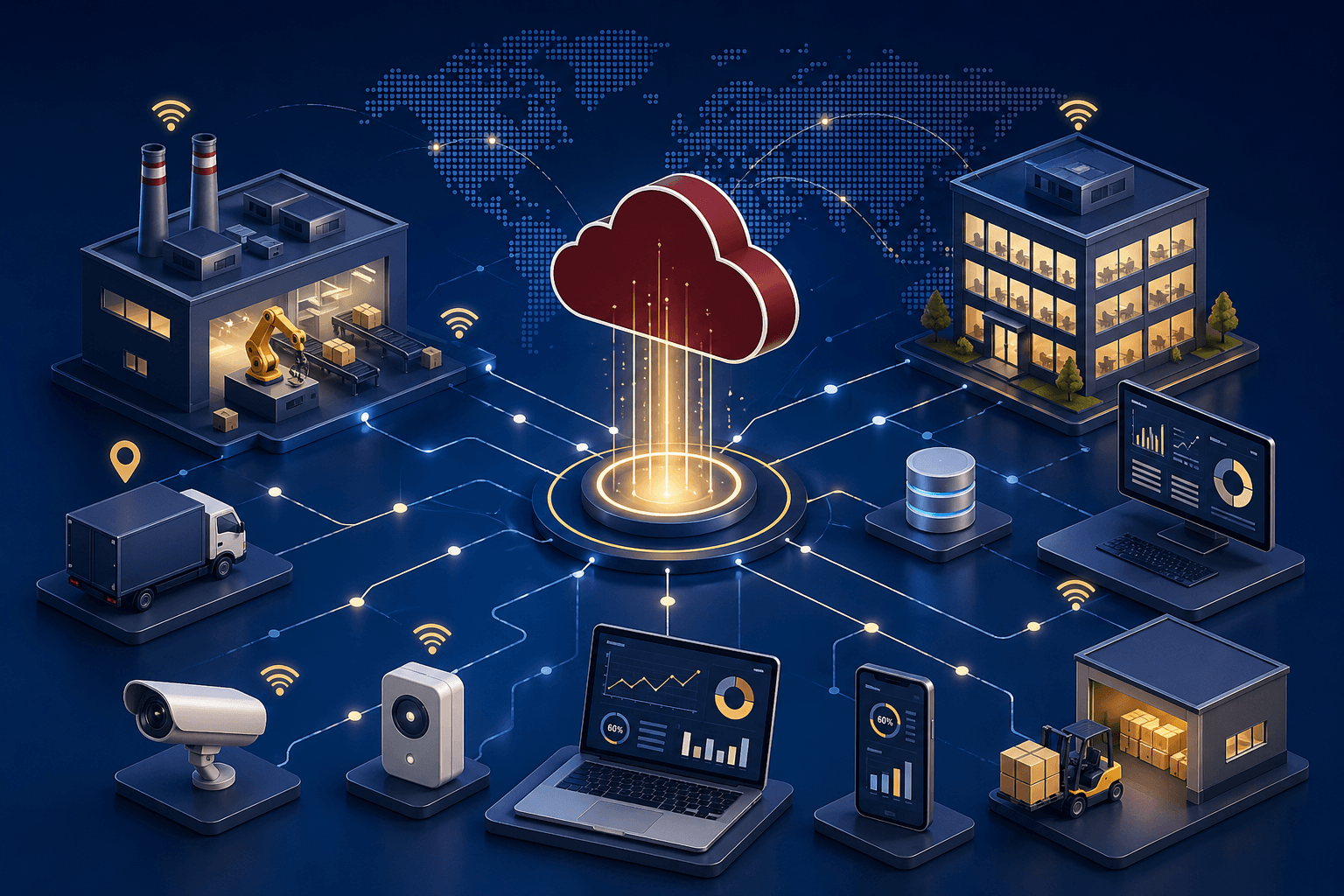
At its core, IoT is an interconnected network of physical devices. These smart sensors and objects work in harmony to predict customer needs. Consequently, IoT eliminates search bars and creates a world that simply understands you. It turns silent objects into an articulate ecosystem that anticipates your next move.
By integrating smart devices into your strategy, you can gather deep operational insights. Furthermore, these insights refine your digital marketing to ensure your brand remains a top choice. Here is how IoT elevates the customer experience.
How IOT Drives Digital Marketing
| In-store & Physical | Digital Integration |
| Beacons trigger mobile discounts | Offline visits feed Google Analytics |
| Smart kiosks track interactions | Real-time stock data improves SEO |
| Sensor checkouts eliminate queues | Product telemetry triggers Google Ads |
1. Tailored In-Store Experiences
Imagine entering a shop and receiving a personal discount on your phone for an item viewed online. IoT beacons make this possible by communicating directly with mobile apps. Therefore, this brings the personal feel of an e-commerce website into physical storefronts. As a result, it creates a seamless bridge between your offline and online marketing efforts.
2. Interactive displays and smart kiosks
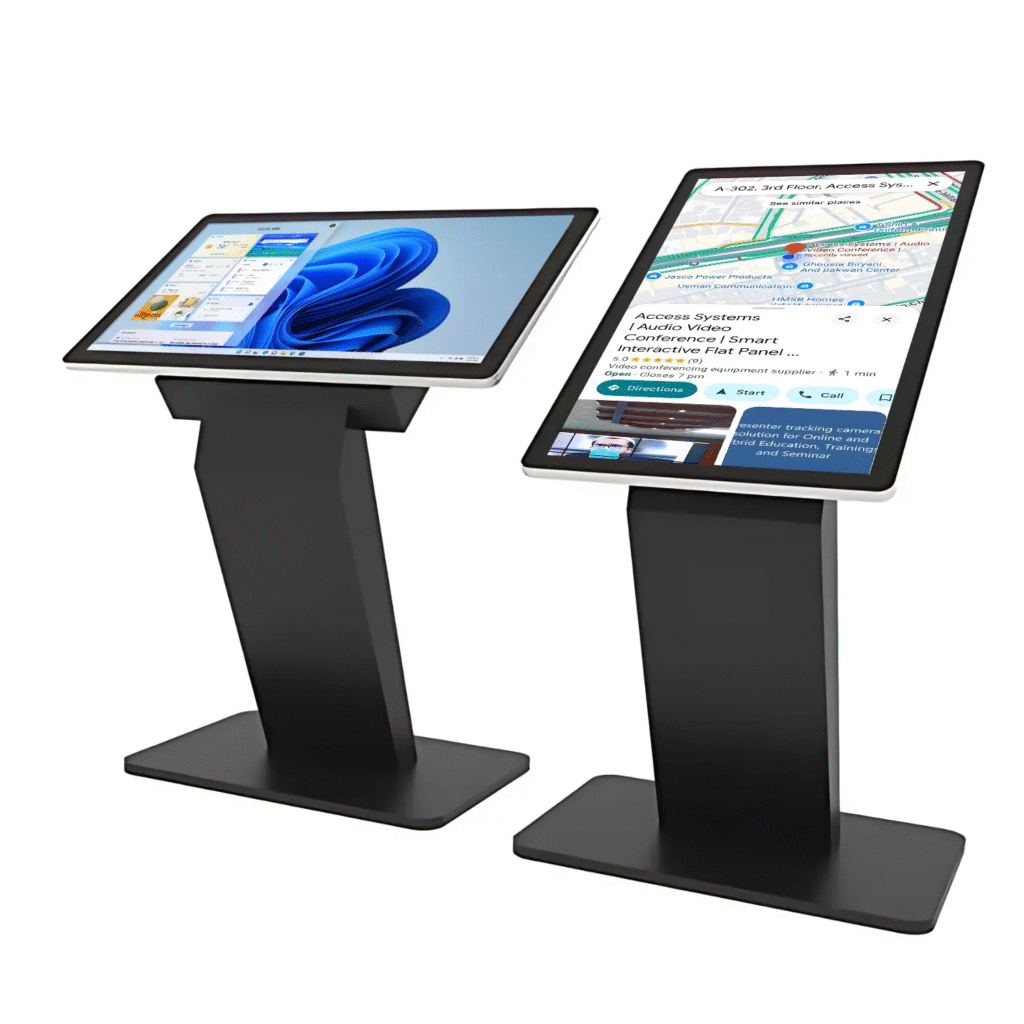
Picture by AccessSystems
Modern kiosks do much more than process simple transactions. Instead, they actively track customer preferences and interface engagement.
By analyzing this data in Google Analytics, you can identify high-performing locations. Consequently, your team can concentrate local SEO efforts where they yield the maximum return.
3. Effortless Checkout via Smart Sensors
Long queues remain a major barrier to customer satisfaction. However, IoT sensors solve this issue by monitoring items in baskets and processing cash-free transactions automatically as shoppers exit.
This frictionless experience often generates glowing reviews. In turn, positive feedback strengthens your search engine optimization rankings.
4. Products with Proactive Support Capabilities
Smart appliances and wearables transmit performance data back to manufacturers automatically. For instance, if a device detects a minor fault, it can trigger a support ticket before the user even notices.
Providing proactive service is an advanced marketing strategy. Ultimately, it fosters long-lasting trust with your audience.
5. Smart Mirrors and Virtual Try-Ons
In fashion and beauty, smart mirrors allow customers to try on items digitally. Meanwhile, the system offers automated suggestions for matching accessories.
Your marketing team can evaluate which products attract the most attention. Therefore, they can select top-performing items to highlight in your next Google Ads campaign.
The Digital Strategy: Syncing Devices with Data
What if your most productive employee didn’t have a pulse? Imagine a tool that works non-stop and predicts machine failures before they occur.
Welcome to the IoT era, where your office objects finally speak up. However, the true value of IoT lies in how data flows into your digital ecosystem to build a 360-degree view of buyers.
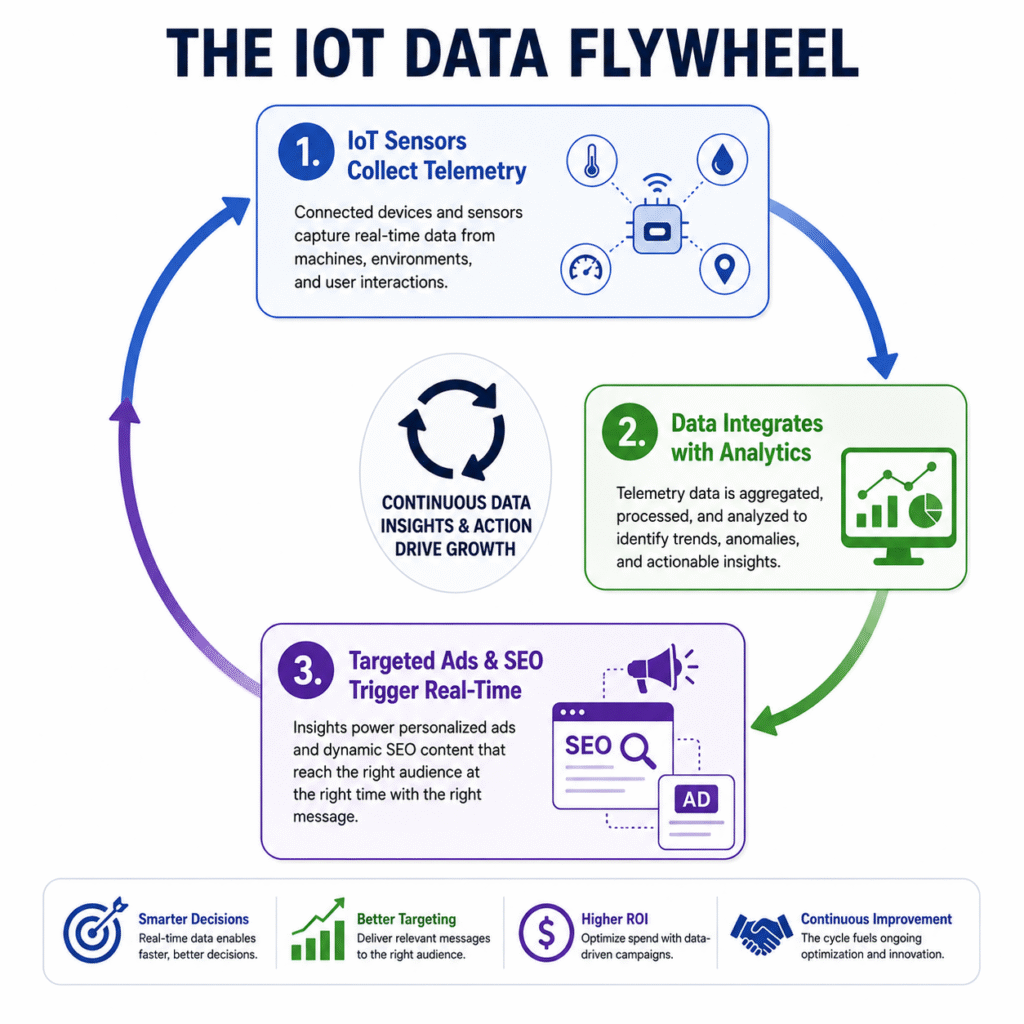
Google Analytics Integration
IoT devices capture offline data points. Thus, they reveal how users transition from online ad clicks to physical store visits.
Dynamic SEO Data
Search engines prioritize accurate, real-time answers. Therefore, your SEO improves when smart devices display live details like wait times or stock availability.
Strategic Google Ads
Data from smart products enables laser-targeted campaigns. For example, a smart water filter can trigger a Google ad for replacement cartridges precisely when the old filter wears out.
6. Biometric Wearables and Workspace Safety
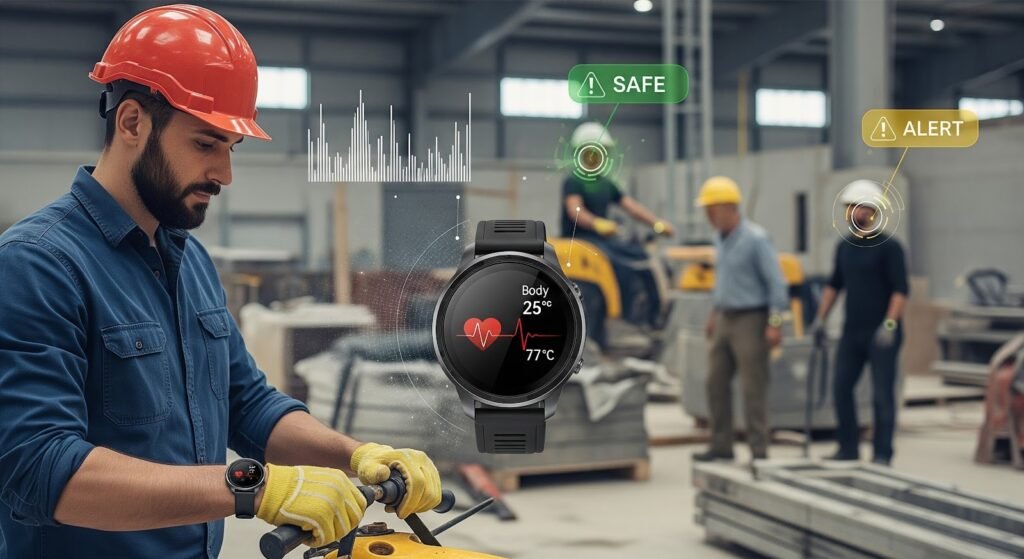
In industrial settings, smart wearables continuously monitor worker vitals and hazardous exposure. Consequently, this proactive safety approach reduces operational downtime.
Additionally, a culture of safety provides authentic “behind-the-scenes” story lines. As a result, your brand fulfills the transparency that modern consumers expect.
7. Predictive Maintenance and Systemic Resilience
Anticipatory maintenance defines digitally mature operations. Integrated sensors detect subtle vibrations or thermal spikes that precede equipment failures.
By preventing unexpected downtime, you safeguard operational continuity. Therefore, your infrastructure reliably supports major Google Ads launches and time-sensitive marketing drives.
8. Enhanced Logistics for Resources and Waste
Smart bins with ultrasonic sensors optimize collection cycles based on real fill levels rather than fixed schedules. Although it seems minor, this operational efficiency cuts overall logistical waste.
Furthermore, you can reinvest saved funds into digital marketing. Consequently, your organization gains a tactical edge over slower competitors.
Logistics & Efficiency Comparison
| Traditional Method | Smart IOT Method |
| Fixed, arbitrary collection times | On-demand collection via fill sensors |
| Higher fuel and labor waste | Optimized routes and lower expenses |
| Reactive response to issues | Proactive, real-time adjustments |
9. Next-Generation POS Intelligence
Modern Point of Sale (POS) systems have evolved into sophisticated data hubs. They compile comprehensive insights into customer behaviour and preference patterns, going beyond simple transaction processing. This intelligence is a catalyst for your digital marketing team, enabling the deployment of hyper-personalised outreach and more sophisticated marketing personas.
10. Environmental Integrity Monitoring
For many enterprises, silent environmental failures pose a huge threat to product quality. In compliance-heavy sectors like pharmaceuticals or fine dining, climate stability is mandatory.
IoT sensors send instant alerts for minor humidity or temperature shifts. Ultimately, protecting product quality safeguards brand equity and preserves long-term SEO authority.
Conclusion: Leading the Connected Future
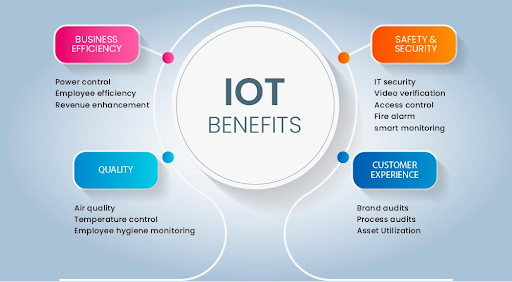
Picture by Customer Think
Stop guessing and start sensing. From warehouses to web feeds, IoT acts as the nervous system of modern commerce, converting every smart device into an engagement portal.
The IoT revolution goes far beyond gadgets. Instead, it builds an enterprise culture driven by data.
By integrating smart technology into daily operations, you interlink all business functions. Consequently, your overall strategy grows stronger, your Google Analytics becomes richer, and your Google Ads perform more consistently.
The connected future is already here. Is your team ready to lead it?
Unlock the Power of Operational Intelligence with Ivara Innovation
At Ivara Innovation, we believe that navigating the transition toward a data-centric enterprise demands more than mere hardware procurement; it necessitates a strategic partnership rooted in a profound understanding of the nexus between emerging technology and market visibility. Our expertise lies in closing this crucial gap, enabling your company to integrate the Internet of Things into an advanced, integrated digital ecosystem.
Our experts are committed to coordinating your digital transformation, whether your goal is to increase operational transparency or use real-time telemetry to boost your SEO and Google Ads performance. Do not merely observe the impending transformation of the global marketplace. Command it. Contact Ivara Innovation today to discover how our bespoke IT solutions and digital marketing strategies can transform your smart infrastructure into a formidable engine for sustainable growth and industrial leadership.