What if a small business could operate like a Fortune 500 company without the overhead or complexity? In 2026, a new generation of digital marketing tools is making this possible. Small and Medium-sized Enterprises, widely referred to as SMEs, constitute the structural backbone of modern economies. From AI-driven analytics to advanced SEO analytics, SMEs now have access to solutions that can transform strategy, operations, and growth potential in ways most business owners never imagined. The following technologies redefine the architecture of growth and competitive strength.
1. AI-Powered Operational Assistants

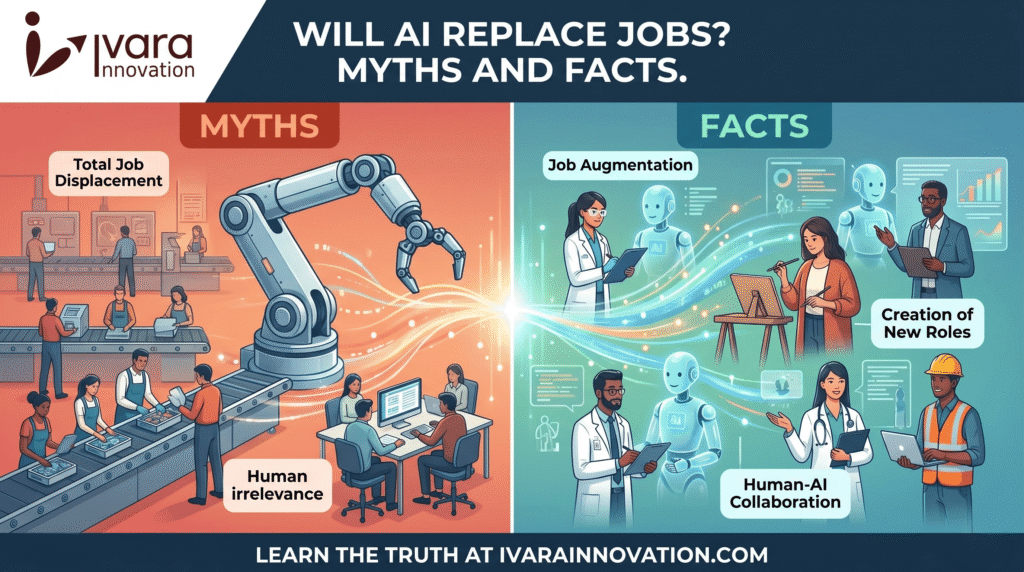
If administrative workload consumes your time, generative AI platforms such as OpenAI’s ChatGPT can function as an extension of your team. AI is being incorporated by SMEs into internal knowledge management, research synthesis, client correspondence, and blog writing workflows. The strategic value lies in amplified productivity, accelerated decision cycles, and reduced dependency on expansive administrative teams. AI is no longer used as an additional tool but rather as a collaborator in digital operations.
2. Enterprise-Grade Cloud Ecosystems
Microsoft 365 and other platforms have developed into integrated digital command centres. Beyond communication and storage, these ecosystems enable workflow orchestration, regulatory compliance, and cross-functional collaboration. For SMEs managing multi-channel online marketing campaigns, cloud infrastructure provides coherence. A single platform contains campaign data, analytics charts, and collaborative content, which minimises fragmentation and improves execution speed.
3. No-Code / Low-Code Development Infrastructure
Have you ever delayed a product idea because building custom software felt too expensive or technically complex? Platforms such as Bubble empower you to prototype internal tools, client portals, and digital services without recruiting sizable technical personnel. SMEs are able to quickly prototype customer portals, landing pages, and SEO-optimised funnels. This democratisation of development accelerates market testing and compresses innovation cycles, allowing marketing teams to pivot with strategic responsiveness.
4. Intelligent Financial Management Systems
Financial clarity determines whether growth is sustainable or fragile. AI-integrated accounting platforms such as QuickBooks are evolving into predictive financial intelligence systems. Automated reconciliation, real-time forecasting, and anomaly detection strengthen fiscal discipline.
For businesses investing in Google Ads, performance-driven digital marketing, and long-term content marketing, financial visibility ensures capital allocation aligns with measurable ROI rather than intuition.
5. AI-Driven Cybersecurity Architecture
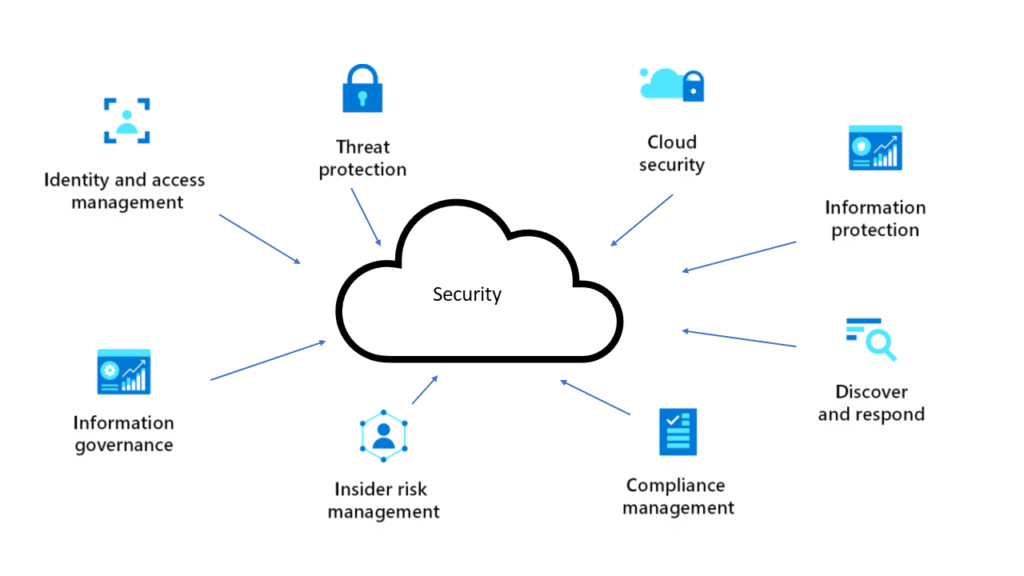
Photo by Microsoft
As your digital footprint expands, so does your exposure to cyber threats. Cybersecurity leaders such as CrowdStrike employ machine learning to deliver advanced threat detection and endpoint protection.
Cybersecurity becomes a foundation of strategic stability rather than a reactive defence in a setting where campaign analytics, customer data, and SEO performance metrics are essential to gaining a competitive edge.
6. Predictive Customer Relationship Platforms
Understanding your customers at scale requires more than contact lists. Modern CRM systems like Salesforce now incorporate behavioural analytics and revenue forecasting. These features improve lead qualifying, streamline conversion processes, and provide clarity on customer lifetime value.
Moreover, predictive CRM platforms facilitate disciplined growth based on data rather than conjecture when combined with SEO campaigns and more comprehensive marketing plans.
7. Marketing Automation Engines
Platforms such as HubSpot consolidate campaign management, analytics, and lead nurturing into unified systems. Rather than fragmented outreach efforts, SMEs can execute data-informed marketing strategies with measurable ROI.
The result is not merely automated outreach, but strategically engineered digital marketing frameworks that convert engagement into measurable business outcomes.
8. Scalable Digital Commerce Infrastructure
E-commerce platforms like Shopify provide a modular architecture for global expansion. Organic SEO methods and sponsored acquisition through Google Ads can be synchronised by SMEs thanks to integrated payment processing, logistical coordination, and advertising interfaces.
This structural flexibility enables geographic reach without proportionate capital escalation, maintaining operational efficiency while spurring expansion.
9. Advanced Data Intelligence Platforms
Picture by Veridion
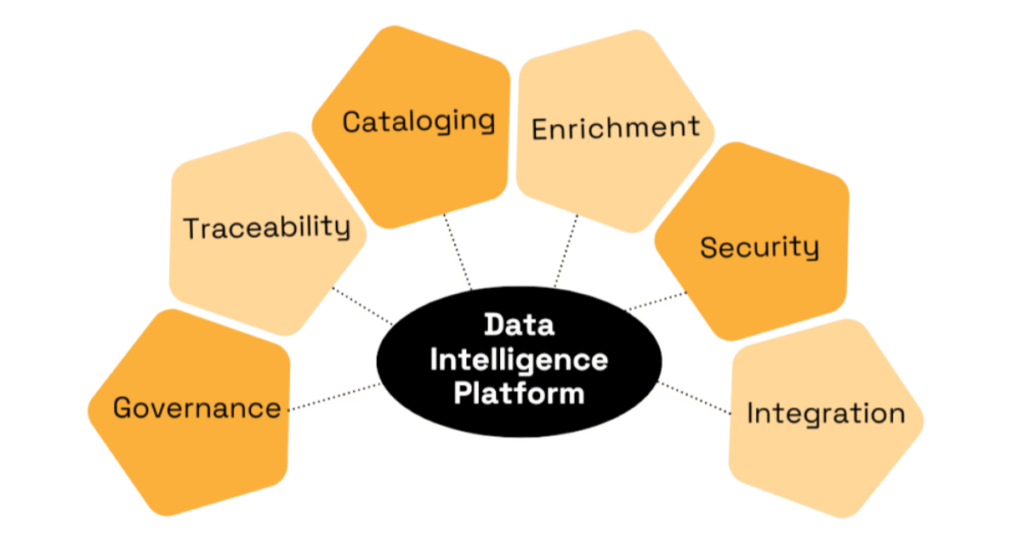
Data becomes transformative only when it is interpretable. Tools such as Tableau convert complex datasets into executive-grade dashboards. They provide detailed insight into search engine optimisation performance, campaign effectiveness, and traffic trends when integrated with Google Analytics.
Marketing is elevated from speculative testing to calibrated operation based on actual evidence presented by data intelligence.
10. ESG & Sustainability Management Technology
Compliance transparency and structured carbon tracking are rendered easier by climate intelligence platforms such as Watershed. Sustainability and brand equity get stuck in internet marketing narratives as investor vigilance increases and consumer expectations change.
Technology that measures environmental effect improves stakeholder confidence, builds credibility, and supports long-term market positioning.
Conclusion
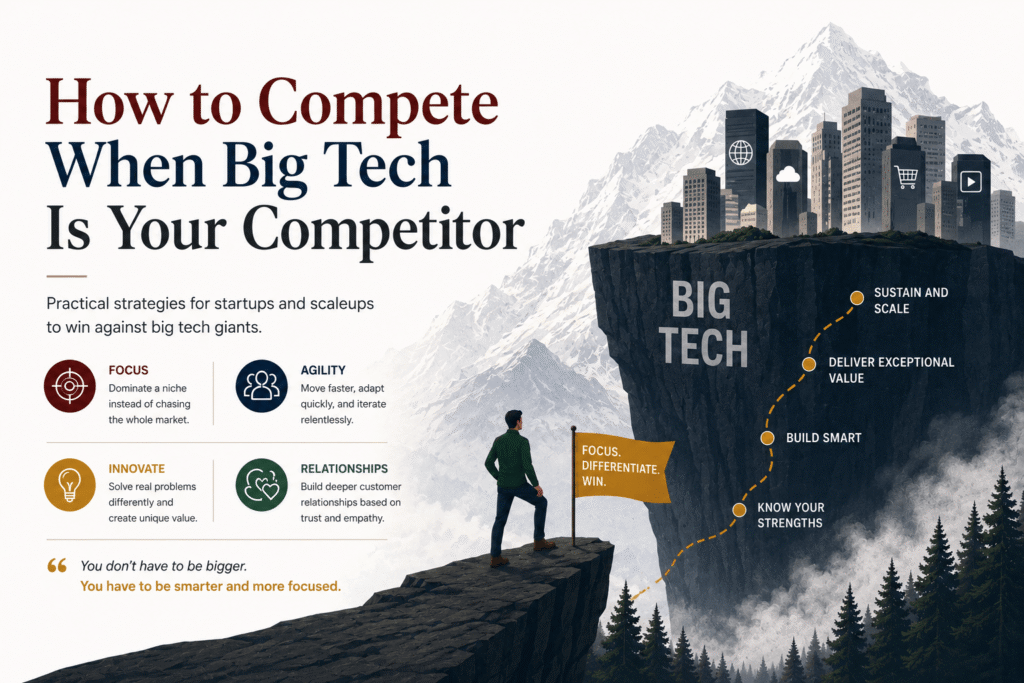
What separates the SMEs that thrive from those that falter in today’s hyper-competitive market? In 2026, it won’t be luck, contacts, or capital; it will be how intelligently they integrate technology into every decision and every process.
SME operations will not only be more efficient, but also more decisive if AI, automation, advanced SEO, performance analytics, and data-driven digital marketing are integrated into the core architecture of the business. Instinct will be replaced by insight. Approximation will be replaced with precision. Delay will give way to agility.
The future will not favour the biggest players. It will favour the boldest integrators of technology. Those who institutionalise intelligence across every layer of their infrastructure will not merely respond to market transformation; they will architect it.