AI startups are everywhere. But most of them disappear before they even hit their first anniversary. The problem is not that the technology is bad; it is that founders often misunderstand what it takes to survive the first year.
Why AI Startups Die Early
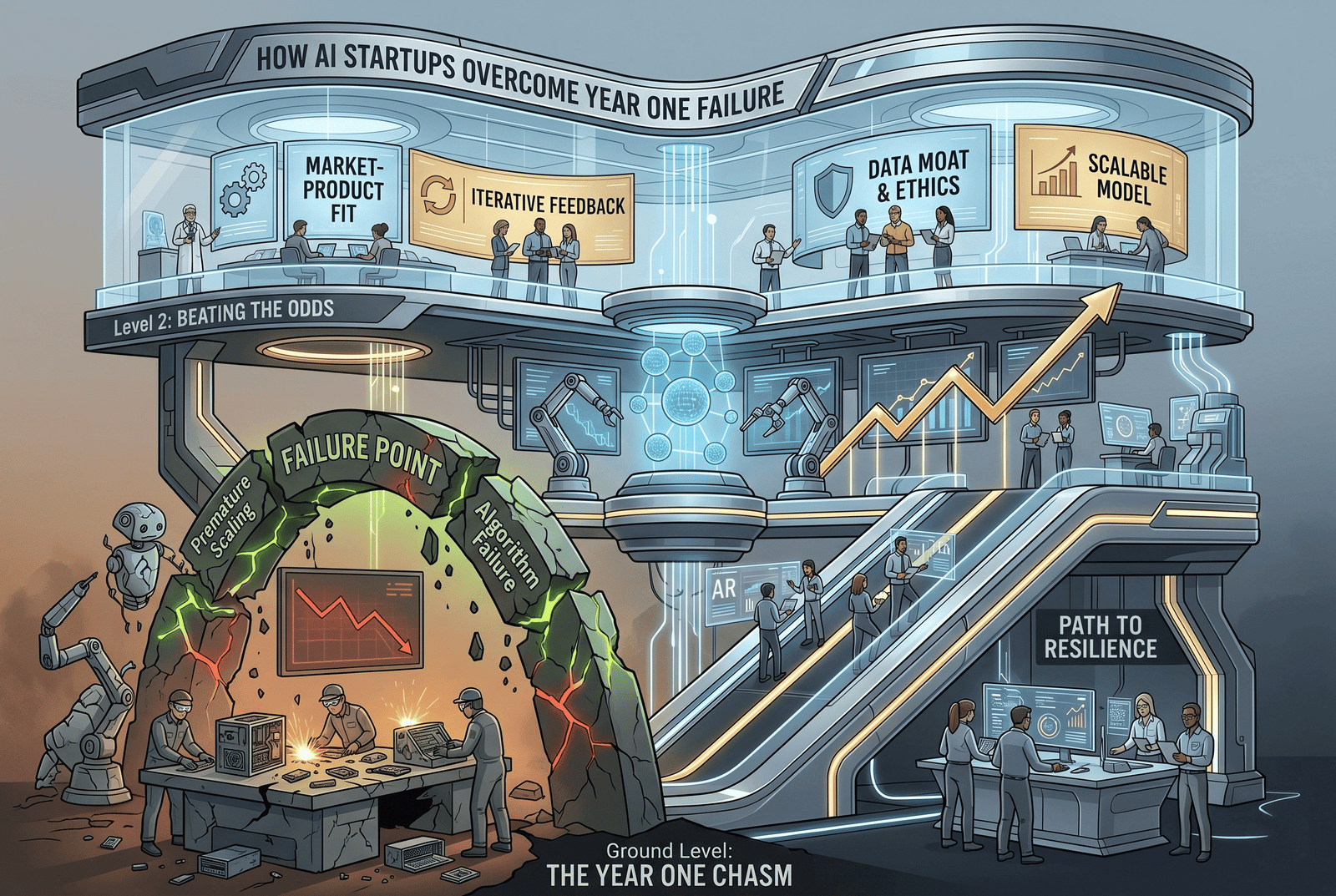
Many AI startups fail in year one for a few common reasons.
- No clear problem or customer: They fall in love with a model, not a real pain point. The product is “cool” but nobody is paying to solve that specific problem.
- Revenue and value mismatch: They build advanced AI but target low budget or low willingness‑to‑pay segments, making it impossible to cover high infrastructure and talent costs.
- Slow feedback loops: They spend months perfecting the model without getting real users to test it, so they build the wrong thing for too long.
- Over‑dependence on big tech: They build on top of one cloud provider, one API, or one platform, only to face sudden price hikes, policy changes, or feature deprecations.
- Weak team fit for AI: Founders have strong engineering skills but lack domain expertise, sales skills, or product sense, so the product never fully connects with the market.
Without revenue, contracted customers, or a clear path to breakeven, even the best AI models cannot save a startup in year one.
How to Beat the Odds
To survive and grow in the first twelve months, AI startups need to be both technically smart and commercially ruthless.
Start With a Micro‑Problem, Not a Grand Vision
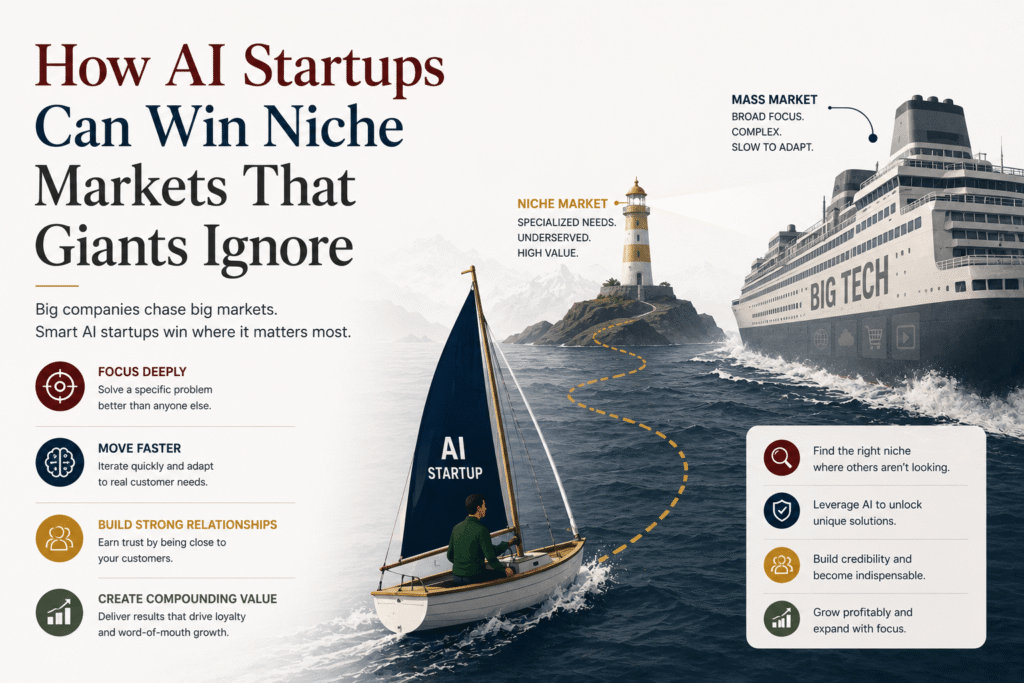
- Pick a narrow, painful, and repeatable problem that customers can describe in one sentence.
- Focus on one industry vertical or one job‑to‑be‑done, not a “general purpose AI for everything.”
- Validate that at least 50–100 potential users would pay for a solution before you invest heavily in the model.
This focus lets you build a tight feedback loop and ship a usable product faster.
Get Revenue Early, Not Vanity Metrics
- Aim for real paying customers in the first 3–6 months, even if at a small price or via pilots.
- Use a clear pricing model that aligns with the value delivered (per task, per user, per workflow, or per data volume).
- Avoid chasing user counts, demo videos, or social‑media buzz without an explicit monetization plan.
If you cannot show revenue, retention, and repeat usage by the end of year one, investors and partners will treat you as a research project, not a business.
Build With Constraints, Not Unlimited Budgets
- Use open‑source models, pre trained checkpoints, and managed services instead of building everything from scratch.
- Design for a small, core user base and optimize for unit economics early (cost per inference, cloud spend, support load).
- Keep your team lean and avoid over‑hiring in the first year.
AI is expensive, but you can still be capital‑efficient if you treat cost as a primary design constraint.
Explain the “Why,” Not Just the “Wow”
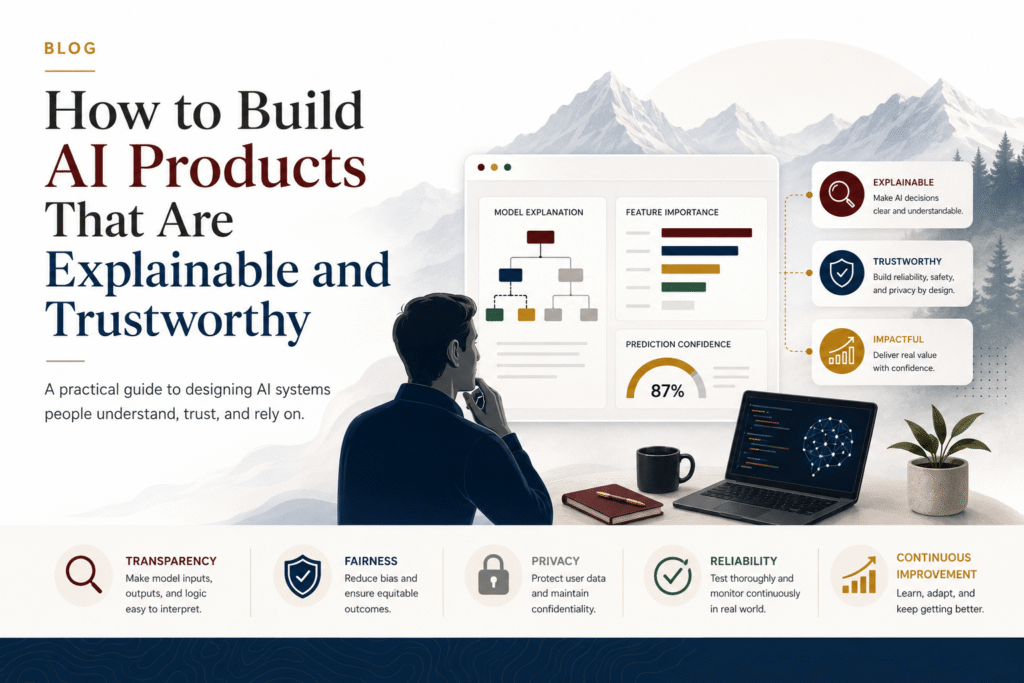
- Make your AI explainable enough that early users can understand why it made a recommendation or decision.
- Surface confidence scores, key inputs, and simple rules so people feel they are in control, not ghosted by a black box.
- Position your product as an assistant, not a replacement, for human experts.
Products that feel trustworthy and interpretable win more quick pilots and renewals than those that are simply “smart.”
Treat Your Data as a Defensible Asset
- Design your data pipeline so that every user interaction improves your model without sacrificing privacy or compliance.
- Focus on collecting domain‑specific datasets that big tech does not have, such as niche workflows, regional language variants, or custom annotations.
- Treat data quality and labeling as a core product function, not a one‑off engineering task.
Over time, this data becomes a moat that makes it harder for competitors, even large ones, to copy your product exactly.
Plan for the Inevitable “Copycat”
- Assume that a big tech company or a well‑funded competitor will launch a similar solution within 12–18 months.
- Build strong relationships with your first customers through onboarding, success support, and roadmap co‑creation so they stick with you when alternatives appear.
- Make your product adaptable so you can quickly add vertical‑specific features, integrations, or compliance layers that giants cannot easily customize.
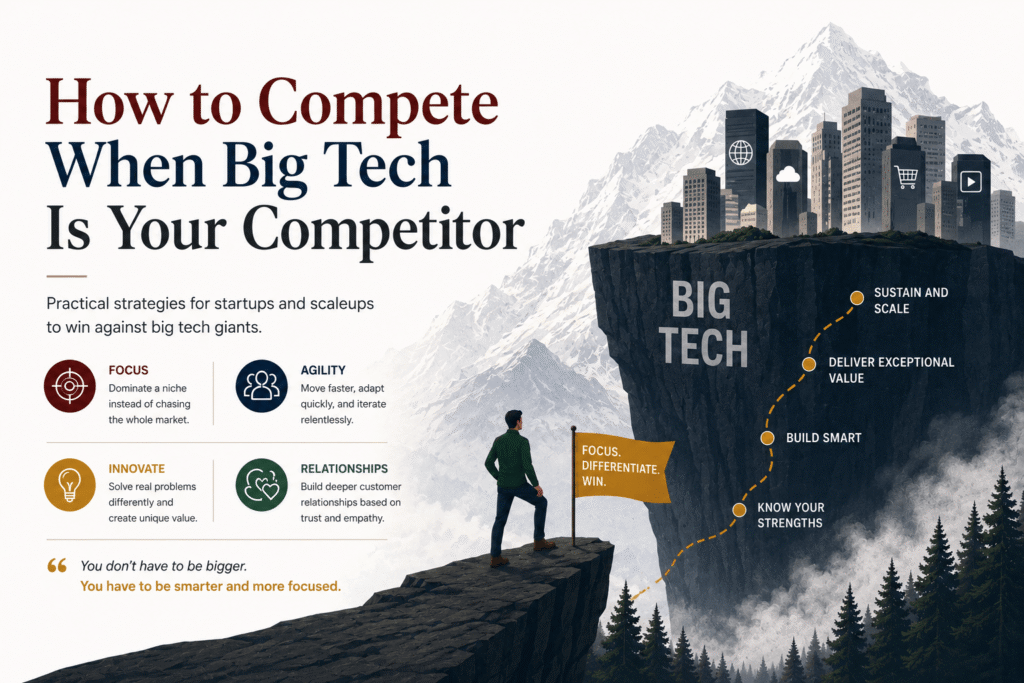
Your survival is not about being first; it is about being more focused, more responsive, and more trusted than the alternative.
Final Thought
Most AI startups fail in year one because they optimize for technology first and business second. The ones that survive do the opposite: they start with a painful micro‑problem, get paying customers early, protect their economics, and build a product that is both useful and trustworthy. If you anchor your year‑one roadmap around revenue, retention, and real‑world feedback, you dramatically increase your odds of beating the odds.