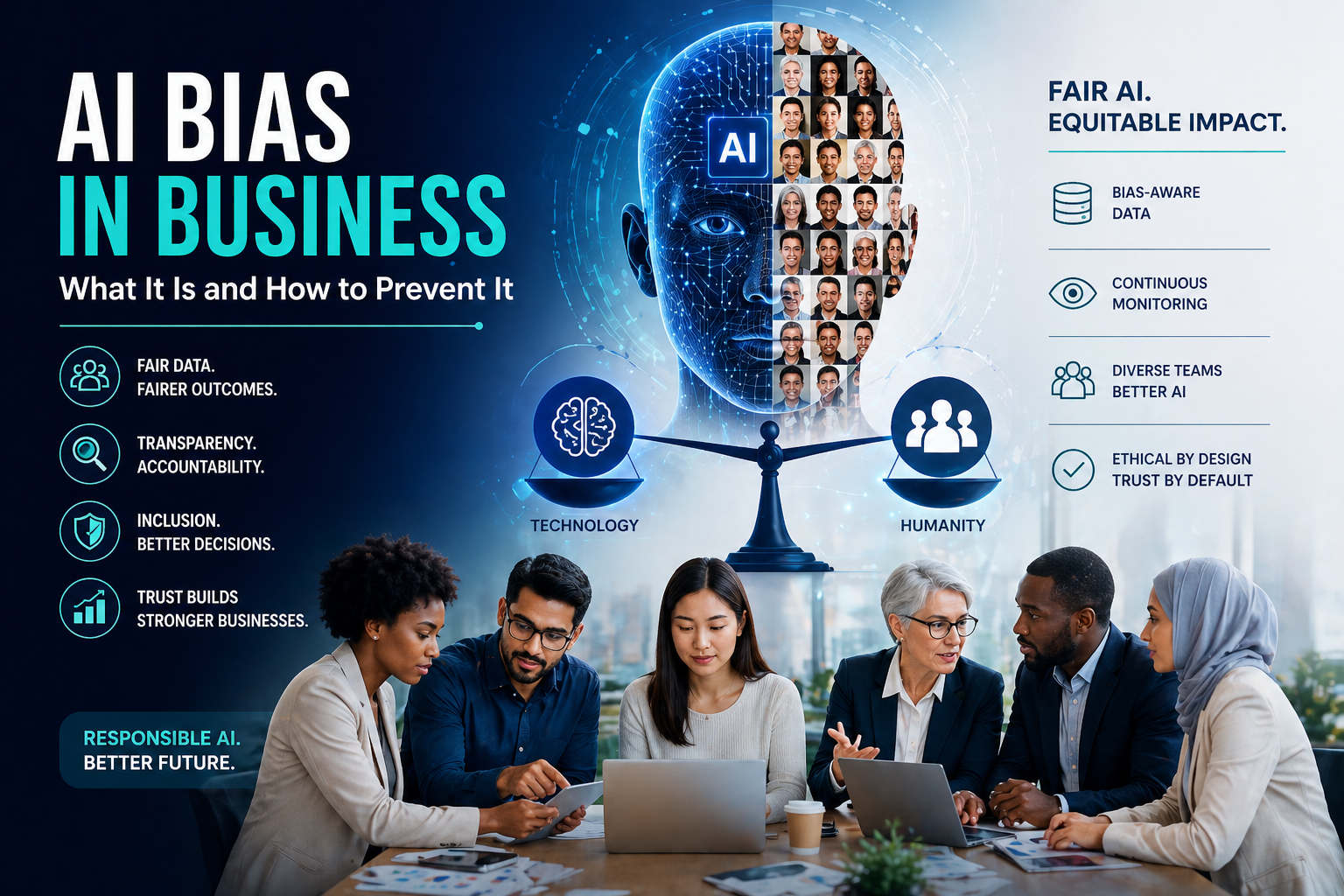
In today’s rapidly evolving digital landscape, artificial intelligence (AI) plays a pivotal role in enhancing business operations. However, as companies increasingly integrate AI into their decision-making processes, a significant concern arises: AI bias. Understanding what AI bias is and how to mitigate it is essential for creating equitable, efficient, and effective business solutions.
What is AI Bias?
AI bias refers to systematic errors in AI algorithms that result in unfair outcomes for certain groups of people. These biases can stem from several sources:
- Data Bias: If the training data used to develop AI models contains inherent prejudices, the AI will likely perpetuate these biases in its outputs. For example, if an employer’s hiring data predominantly features candidates from a specific demographic, the AI might favor applicants from that group.
- Algorithmic Bias: Sometimes, the algorithms themselves can introduce bias. Even with balanced data, the way an algorithm processes information can lead to inequitable outcomes.
- Human Bias: The biases of the individuals who design, train, and implement AI systems can seep into the technology, resulting in unintended consequences.
The Impact of AI Bias in Business
AI bias can have severe implications for businesses, affecting their reputation, employee morale, and customer trust. For instance, biased hiring algorithms can result in lost talent, while discriminatory pricing models may alienate consumers. The long-term consequences can be damaging, including lawsuits and negative media coverage, which can tarnish a company’s image.
How to Prevent AI Bias
Mitigating AI bias is crucial for businesses aiming for success in the digital age. Here are several strategies to consider:
1. Diverse Data Sets
Using diverse and representative data sets in the training of AI models can help minimize inherent biases. Ensure that your data reflects various demographics, perspectives, and experiences. This can bolster the AI’s ability to make fair decisions.
2. Regular Audits
Conduct regular audits of AI systems to identify and rectify biases. This can be achieved through internal reviews or by hiring third-party experts. Continuous monitoring ensures that the AI remains objective and unbiased as it learns.
3. Human Oversight
Incorporate human oversight at critical decision-making junctures. While AI can significantly enhance efficiency, it should not be the sole decision-maker, especially in areas like recruitment or loan approvals. Human intervention can catch potential biases before they manifest.
4. Ethical AI Guidelines
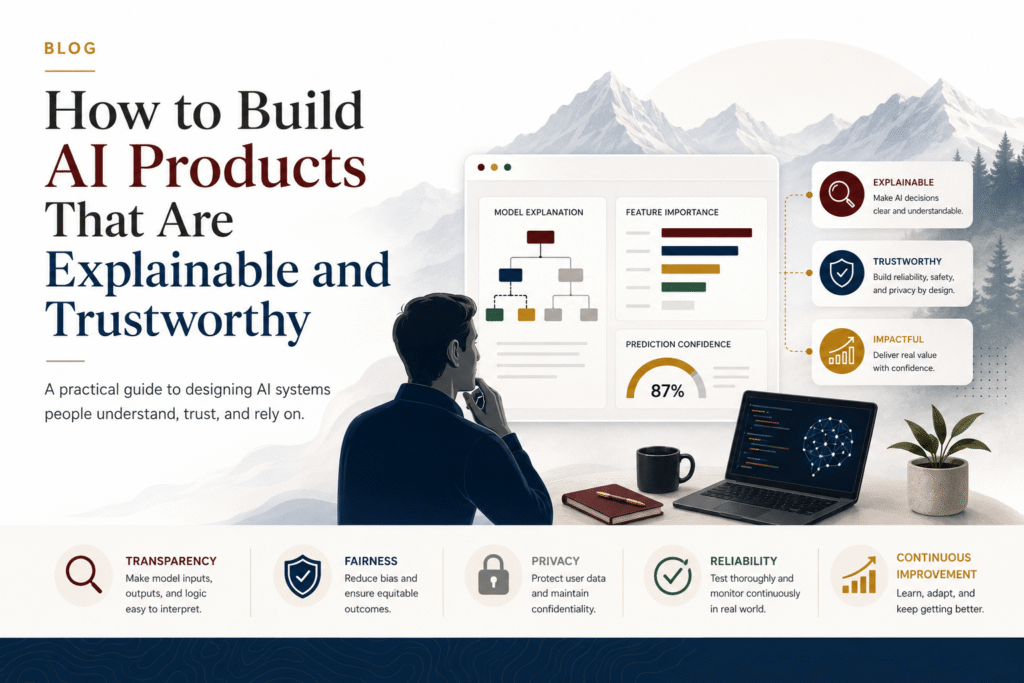
Adopt ethical guidelines for the development and deployment of AI technologies. Clearly outline the principles guiding your AI initiatives, ensuring accountability and transparency in the decision-making processes.
5. Employee Training
Educate employees about the implications of AI bias and the importance of diverse perspectives. Training sessions can equip your team with the knowledge to recognize potential biases and promote a culture of inclusivity.
Conclusion
AI has the potential to revolutionize business processes, but its benefits can quickly be overshadowed by the challenges of bias. By understanding the nuances of AI bias and implementing strategies to prevent it, businesses can create fairer, more inclusive environments. As you embrace AI’s capabilities, remember that ethical considerations should be at the forefront of your technology initiatives.
By taking proactive steps to address AI bias, your organization can foster innovation while ensuring equitable outcomes for all stakeholders. Embrace the future of technology, but do so responsibly.